
Fermenting
Just add salt

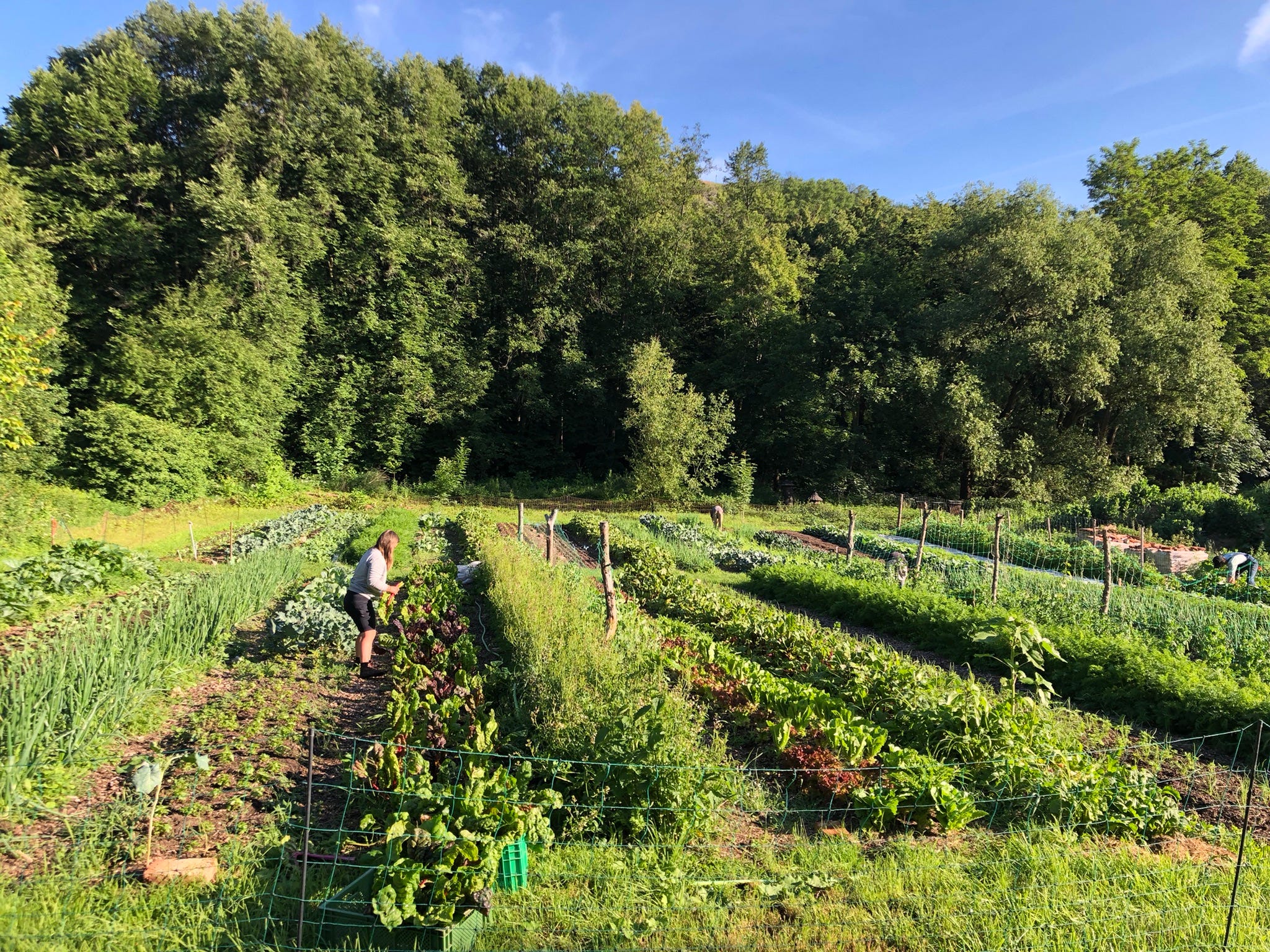
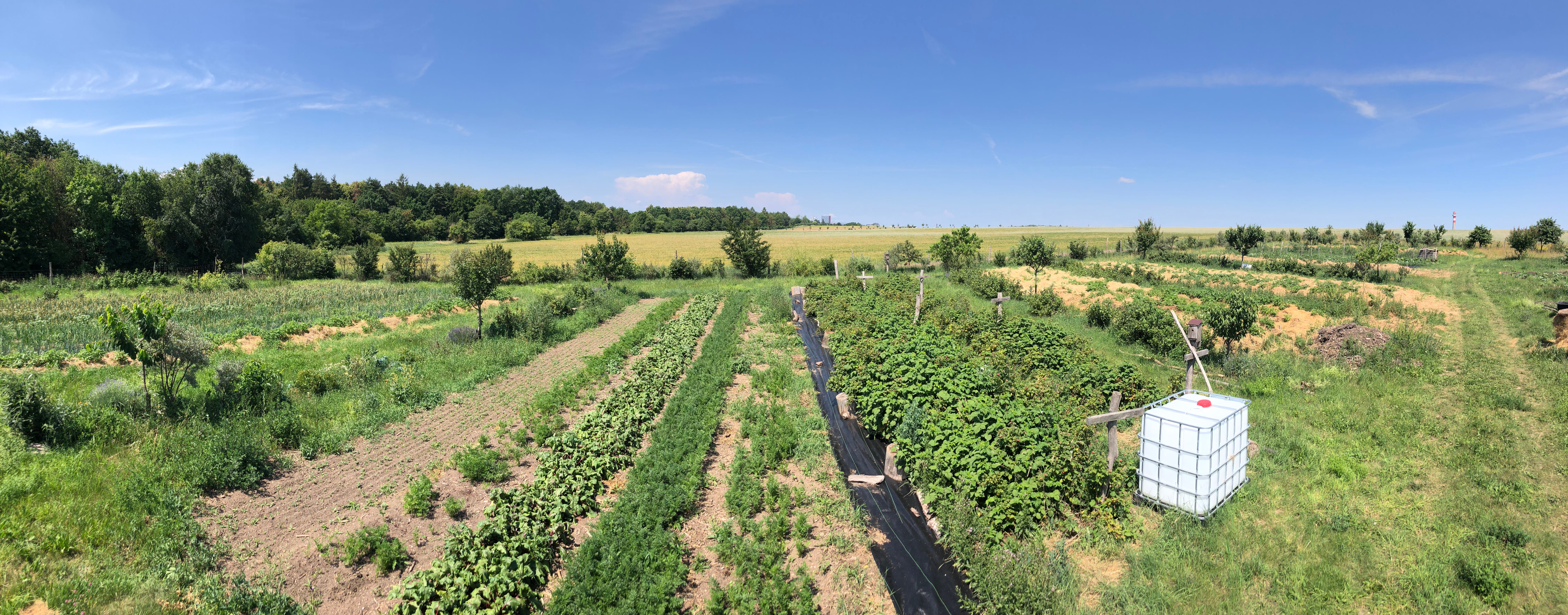
The summer solstice arrived, and with it the time to reap what was sown. Lucie’s been busy as a bee cooking strawberry and raspberry jams that are quickly filling up the shelves in the pantry, as well as packing the freezer with fresh berries. My task has been to harvest and store as much of the B-quality vegetables coming out of the ground at the moment. The best quality is eaten fresh by our family and the forty-six other families in our CSA this year. What we have extra each week is then sold at the on-farm sales stand, and some is sold to restaurants, though that’s mostly greens.
Anything that’s left on the farm after the sales day Tuesday usually won’t make it until the next week and would go to the compost pile. Not waste, really, but wasted seeds, space, time, and energy. Like Rhett Butler in Gone With the Wind, I hate waste. We don’t have anywhere large enough to store fifty heads of cabbage, thirty pounds of radishes, and another thirty pounds of split kohlrabi until I finally get around to borrowing a backhoe, digging a hole in the side of our hill, and cementing rocks together until I make a little cave to store our produce. It feels like, at this moment in the season, I’d be digging my own grave.
That’s not very appealing, so I started fermenting.
Our farm is only open to customers one afternoon a week, and radishes have a short harvest window. If we’re not lucky on timing, the radishes are too young to harvest for sale on Tuesday, but won’t make it until the following week. Leave them in the ground for more than a few days once they ripen, and they start to go to flower, leaving the bulb spicy, and woody in texture. I like to eat spicy things - woody, not so much. Fermenting is a great way to save produce from going to waste. We ferment all the leftovers radishes and kohlrabis on the beds, the ones that didn’t quite make the cut to go into bunches - nibbled on, split, or too small.
I spent several pleasant evenings the last few weeks in the outdoor kitchen, listening to the stream, sipping a beer, and cutting radishes. Once they are washed and cut in half, I spread out the clean jars, drop in radishes (or diced kohlrabis) by the handful, with garlic scapes and dill. Then I pour a saltwater brine with three percent salt into the jars until they’re filled. Close the jar and leave it out for a few days if it’s the right temperature. You’re looking for a nice spring day, 64-75 degrees Fahrenheit, or 18-22 Celsius. This is, for most people, room temperature. We don’t have AC, and it’s been in the nineties. Luckily, we’ve got a couple big fridges, one raised at a higher temperature. That’s where the ferments go.
These radishes are causing chaos in our family. Our three and a half year old daughter is often refusing to eat her dinner, demanding only more fermented radishes. We put them out for sale on Tuesday with a sampler jar, and they fly away, sold for three times the price of fresh radishes by weight.
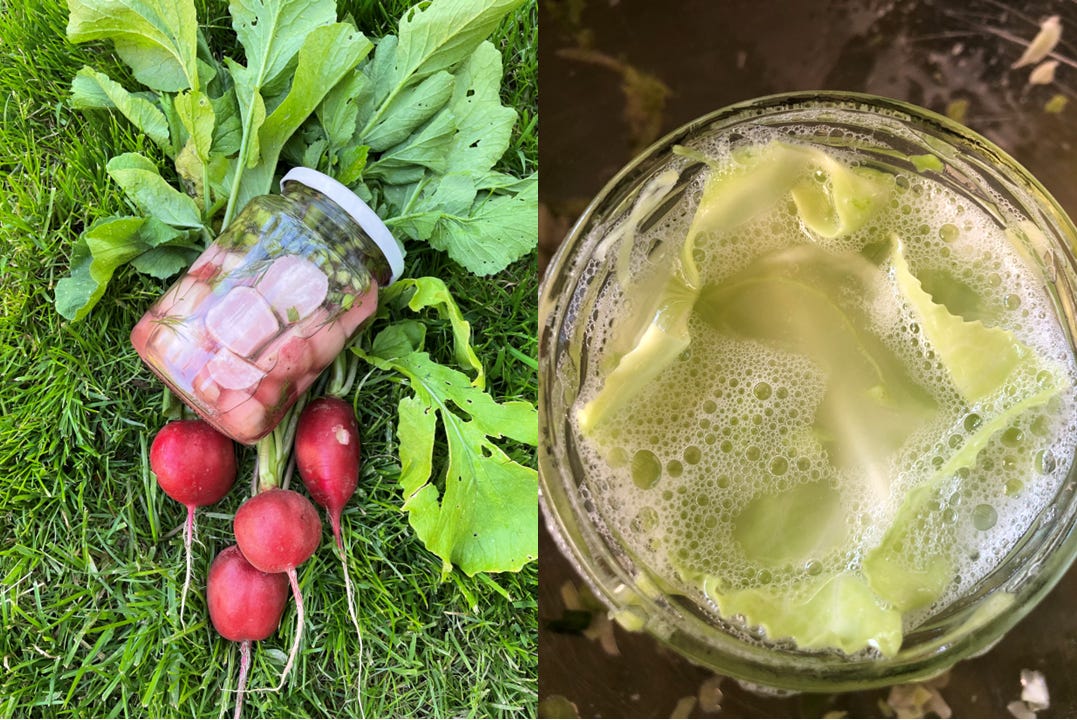
Hot days and the inevitable arrival of the dreaded flea beetle, the little buggers that eat thousands of tiny holes in all the brassica family of vegetables (broccoli, arugula, kohlrabi, turnips, etc), signaled that it was time for heads to roll.
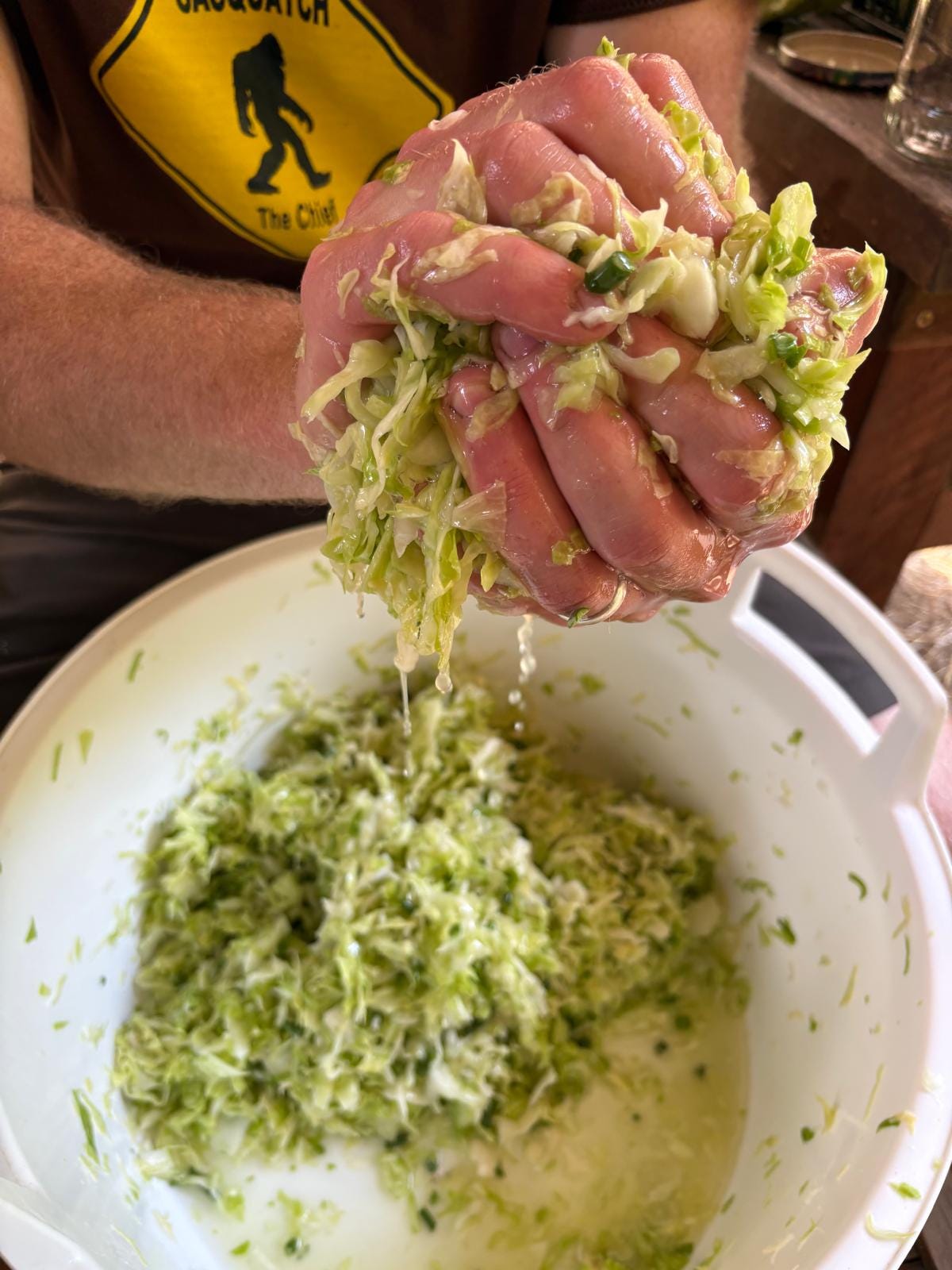
Viktor helped cut off the pale green cabbage heads, and we wheeled them to the outdoor kitchen where, along with Jitka, we chopped the heads into shreds. Take out the scale, plop down a tub, tare the scale, and fill the tub with cabbage, slices of garlic scapes and salt. The scapes aren’t necessary. The salt it. Three percent salt by weight is my preference, but anywhere from two to four percent does the job. Work it over by hand for a couple minutes, and it’ll start to sweat out the juices, kind of how they used to make wine by stomping on grapes. My Uncle Jim says any good wine’s got a few toenails in it.
Once you can squeeze it and the cabbage juice drips out from your grip, it’s ready to be stuffed into jars. Fill it to the top of the jar, press down, fill it some more, then press down until it submerges in its own juices. Tear a piece of the outer leaf and tuck it in at the top to hold the cabbage down and prevent the air from spoiling the top layer. You want it to ferment, not rot, and that requires an anaerobic setting. Bury a body in the ground and it turns to dirt. Bury it in an acidic beat bog, or better yet, a salt mine, and you’d recognize the face a couple millennium later. If you don’t know if it’s ready, taste it. Want it more fermented? Raise the temperature a bit, or leave it longer. Keep it simple: chop it up and add salt. It’s an art, enjoy it. Make it a science, and you’ll spoil it.
Here’s the part where I should say how cabbage has more vitamin C than oranges, and compounds that help prevent cancer, and fermented foods are great for your gut health, and make you irresistible to the opposite sex. No doubt that’s all true, except maybe the last one. More importantly, though, is that it just tastes good, there’s no waste, and you’ve got a store of food that, if kept cool, will keep just fine all winter.
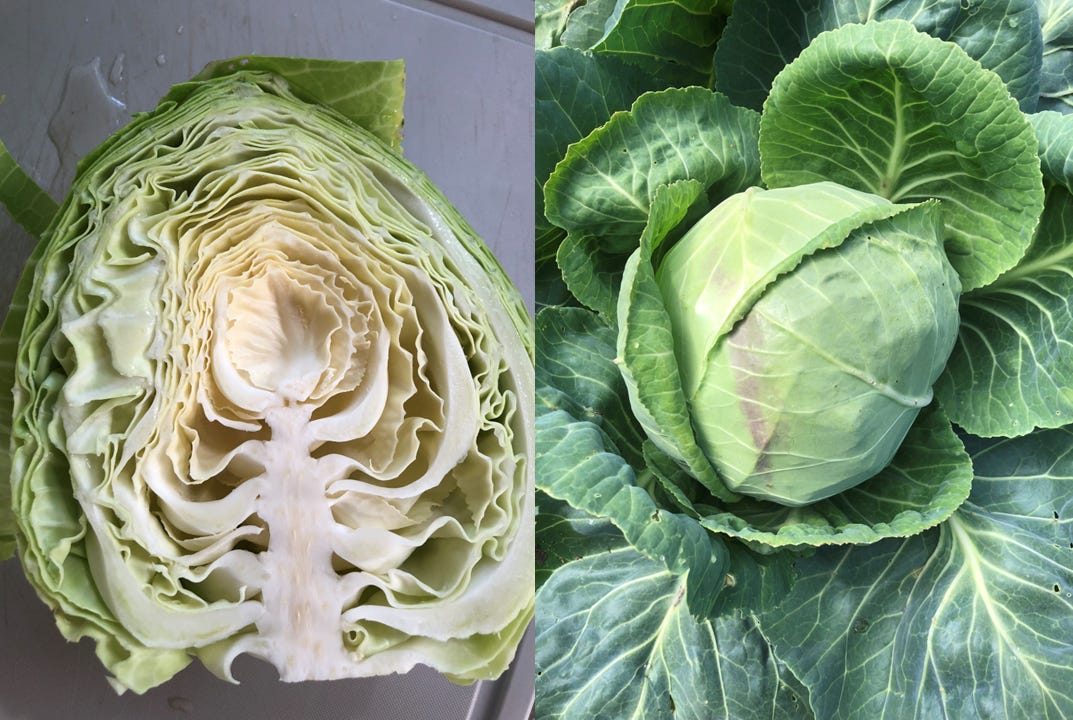
Greek mythology says that the first cabbage was born from a bead of sweat from the king of the gods, Zeus. Fittingly, our sweat is salty. The best aspects of cabbage are brought out when mixed with salt. Every grower swoons over tomatoes and peppers, but the humble cabbage is truly something beautiful and divine. I can close my eyes at this moment and think about our sauerkraut and my mouth begins to salivate. The sauerkraut bought in a jar in the supermarket is sterile, cooked to kill the life that would otherwise make it something fit for the gods. So if you want the good stuff, stop by your local farmer’s market, or better yet, grow your own.
-BG
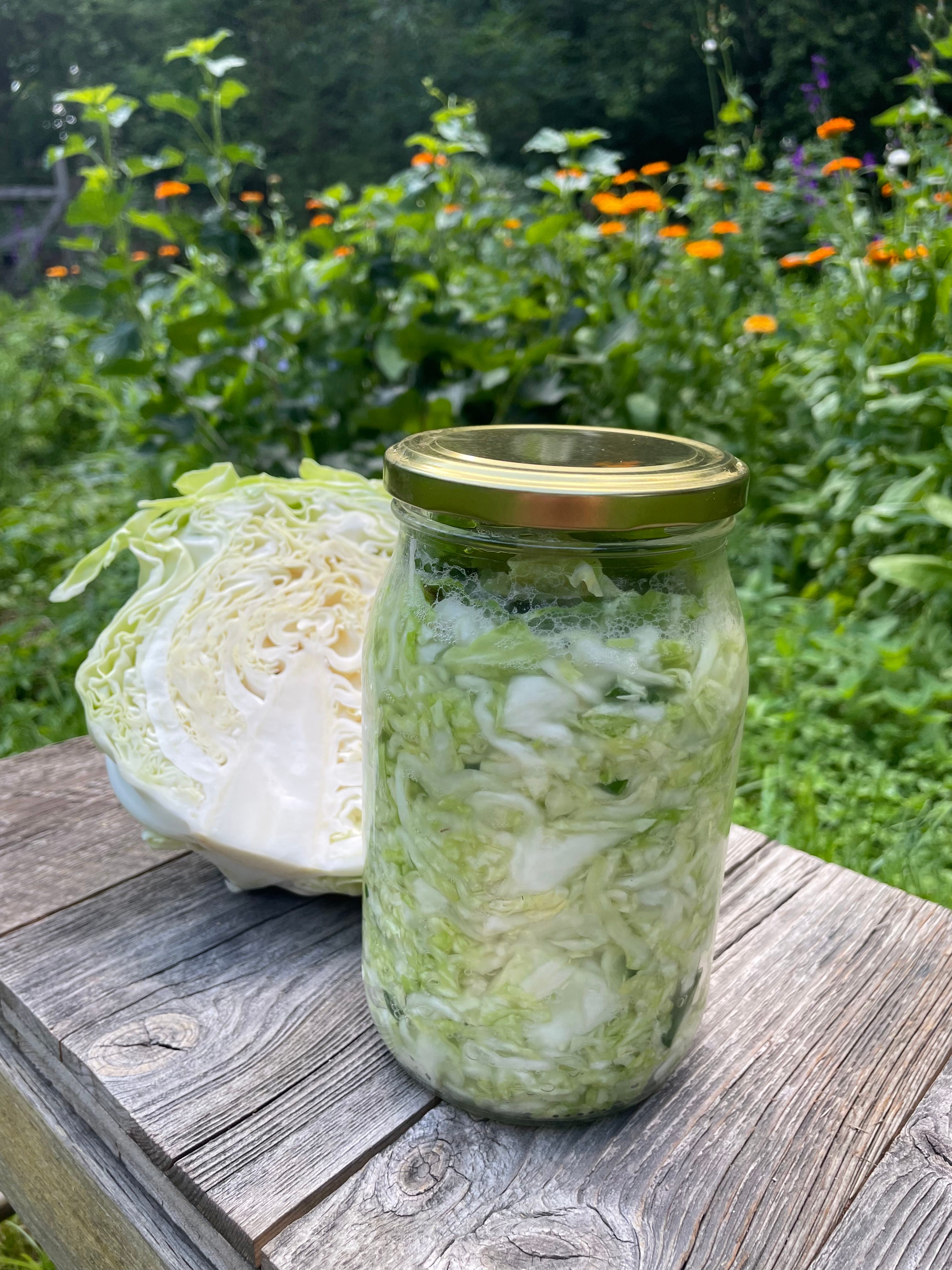
Exactly like Rhett Butler
Mmm...fermenting cabbage 😋 cabbage is my favorite thing to grow in the garden. I can't wait until winter here in central Florida so I can grow cabbage again and make some more fresh sauerkraut. Thank you for your story. It was delightful and inspiring!